
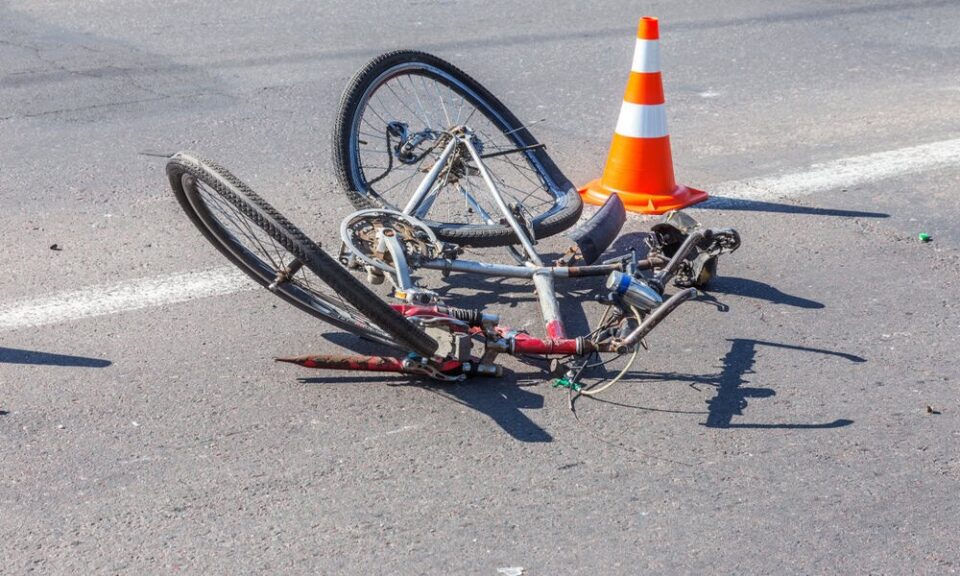
Dallas is a fast-growing city where transportation, commerce, and daily commuting intersect across an extensive network of roads and neighborhoods. Alongside its busy traffic corridors, the city has also seen increased interest in cycling for recreation, fitness, and everyday transportation. As more cyclists and motorists share the same roadways, the potential for serious collisions becomes a growing concern for residents and visitors alike. Unlike occupants of passenger vehicles, bicyclists have little physical protection in a crash, making even relatively low-speed impacts capable of causing significant injuries.
Understanding why these collisions happen is an important step toward both prevention and accountability. Many bicycle accidents are not random events but the result of identifiable driving behaviors, roadway conditions, or traffic interactions that create unnecessary risk. Recognizing these common causes can help injured riders and their families better understand how a crash occurred and what legal options may be available. After a serious bicycle accident, many individuals choose to consult a bicycle accident legal expert to evaluate the circumstances, protect their rights, and pursue appropriate compensation for their losses.
Driver Inattention
Distraction remains one of the clearest causes of bicycle impact cases. A motorist glancing at a screen, food bag, or console can miss a rider traveling beside traffic. After emergency treatment, records, images, and witness accounts often shape liability questions, so many households seek legal help before the insurer narrows key facts or shifts the blame onto the injured person.
Unsafe Turns
Turning movements create dangerous crossing paths. During a left turn, a driver may watch larger cars and overlook a bicycle entering the intersection. Right turns carry similar danger when a vehicle cuts across a bike lane or shoulder. Human tissue cannot absorb that contact well, so chest injury, pelvic fracture, and head trauma may follow even at modest speeds.
Dooring Incidents
Parked vehicles create a separate hazard when someone opens a door into a cyclist’s line of travel. That obstacle appears suddenly, leaving little time to brake or maneuver laterally. Riders who swerve away from the door may then enter moving traffic, which can produce a second collision. Dense business districts often see these events because curb turnover remains high throughout the day.
Why They Happen
Many occupants check for approaching cars, yet forget bicycles travel beside parked rows. Habit plays a large role here. A glance over the shoulder can reveal a cyclist early enough to prevent a direct impact. Narrow lanes, tinted glass, and poor evening light make that simple check even more important for everyone using the street.
Failure To Yield
Yield violations often happen at side streets, alleys, parking lot exits, and marked crossings. A driver may enter the roadway too quickly after spotting a gap in car traffic, while missing a bicycle approaching from a different angle. Blocked sight lines worsen that risk. Vans, hedges, utility boxes, and signs can hide a rider until the final instant.
Passing Too Closely
A close pass can injure a cyclist even without direct contact. Side mirrors, trailers, and pressure waves from larger vehicles may disturb balance and force sudden correction. That reaction can send a rider into gravel, drainage grates, or parked cars. Extra space gives both road users a larger margin for perception, steering, and safe recovery.
Speed and Stopping Distance
Speed changes nearly every part of the crash. Faster travel shortens observation time, increases braking distance, and raises the force transferred into bone and soft tissue at impact. A driver who spots a bicycle late may still be unable to stop before contact. Lower speeds near neighborhoods, schools, and trail crossings reduce both collision frequency and injury severity.
Impaired Driving
Alcohol and drugs degrade visual tracking, coordination, judgment, and reaction speed. Under those conditions, a motorist may drift across a lane, ignore a signal, or misread the distance to a cyclist. Darkness makes the problem worse because visual contrast already drops after sunset. Prevention here depends on strict enforcement and sober travel planning before any trip begins.
Poor Visibility
Low light, rain, glare, and obstructed views make cyclists harder to detect. Large pickups and sport utility vehicles also create blind zones during lane changes or turns. Reflective clothing and bicycle lights improve detection, yet those tools do not replace careful scanning by drivers. Primary responsibility still rests with the person moving the heavier machine.
Road Design Problems
Some collisions trace back to street conditions rather than a single careless choice. Faded markings, rough pavement, weak drainage, missing signs, and narrow shoulders can push riders into traffic unexpectedly. Construction areas add confusion when cones or barriers redirect movement without clear guidance. Sound maintenance and a readable layout reduce conflict before human error enters the picture.
Shared Fault Questions
Texas injury claims may involve blame assigned to more than one person. Insurers sometimes argue about lane position, signaling, lighting, or helmet use after a wreck. Even so, the motor vehicle often creates the greatest source of danger. Careful review of medical records, scene evidence, and roadway rules helps separate assumption from provable fact.
Conclusion
Most bicycle collisions with motor vehicles follow patterns that can be identified before another rider gets hurt. Inattention, turning errors, poor yielding, close passing, impaired driving, and unsafe street conditions appear repeatedly in serious cases. Recognizing those patterns supports prevention and fair accountability. After a crash, prompt medical assessment, accurate documentation, and informed legal review can protect physical recovery and financial stability during a difficult period.

