
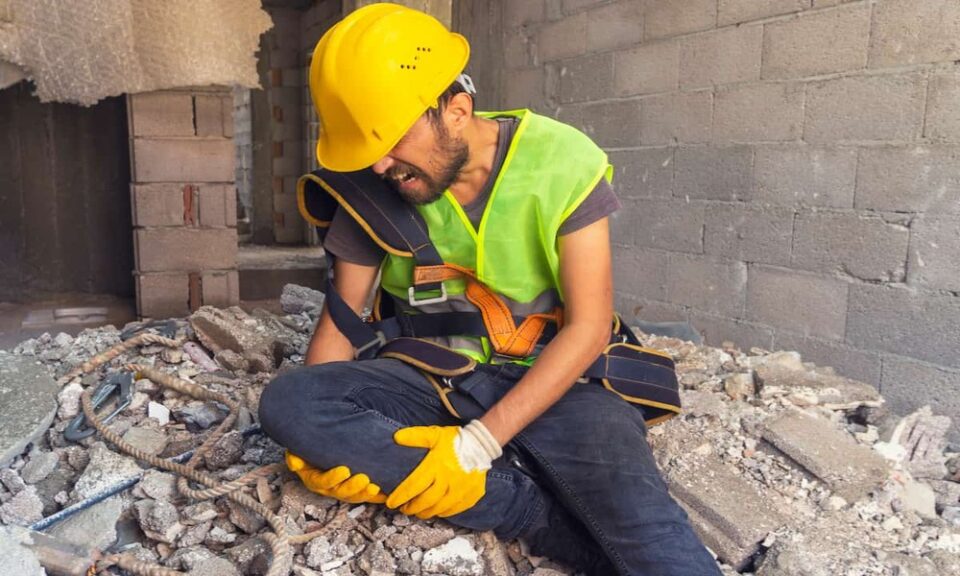
Nevada’s construction industry faced significant challenges in 2024, with nine fatal workplace injuries reported in the sector, representing 27% of all workplace fatalities statewide. Falls, struck-by incidents, and other common site hazards continue to pose serious risks to workers across Las Vegas and throughout Nevada. Beyond fatal accidents, thousands of construction workers sustain non-fatal injuries annually that can have lasting impacts on their careers and quality of life.
When construction site accidents happen, injured workers and their families often need guidance navigating both workers’ compensation claims and potential third-party liability cases. Having an experienced Spanish speaking construction accident lawyer on your side can make all the difference in understanding your rights and securing fair compensation. This guide outlines the most common construction site hazards that frequently lead to injury claims and what you need to know about protecting yourself.
Falls From Height
Height-related incidents remain a major source of severe construction trauma. Roof edges, open decks, ladders, and scaffolds expose crews when guardrails, harnesses, or routine checks are absent. After a serious fall, reports often examine training records, surface grip, weather, and oversight. Workers facing language barriers during treatment, incident reporting, or claim forms may seek a construction accident lawyer who speaks Spanish for clear guidance after a life-altering event.
Falling Tools and Materials
Work overhead places everyone below the building at risk. A dropped drill, loose block, or shifting bundle can produce skull fractures, facial lacerations, or cervical injury within moments. Claim files often focus on hoisting practice, debris control, storage methods, and marked exclusion zones. Protective helmets help, but they cannot prevent every crushing blow. One careless release from elevation may leave lasting cognitive symptoms or permanent vision loss.
Electrocution Risks
Temporary power systems create danger throughout an active site. Exposed wiring, damaged cords, wet soil, and contact with energized lines can trigger shock, deep burns, irregular heartbeat, or respiratory arrest. Case reviews often examine clearance distances, lockout steps, grounding, and equipment condition. Some survivors recover slowly because nerve tissue heals poorly. Others develop chronic pain, muscle weakness, or reduced hand function that limits future employment.
Caught-Between Incidents
Caught-between events happen when a worker is pinned, compressed, or pulled into moving machinery. Forklifts, loaders, compactors, and conveyors create that threat, especially in narrow areas with weak visibility. Medical damage can include crush syndrome, internal bleeding, pelvic fractures, or traumatic amputation. Investigators often review alarm systems, traffic flow, spotter use, and machine guarding in such cases. A brief lapse near powered equipment may change a body forever.
Trench and Excavation Collapse
Excavation failure can bury a person before help arrives. Soil type, vibration, water intrusion, and spoil pile placement all affect wall stability. Protective systems, such as trench boxes or shoring, reduce the chance of sudden collapse and suffocation. Claims linked to these incidents usually examine daily inspections, depth, ladder access, and nearby loads. Survivors may face oxygen deprivation, chest compression, or lasting psychological distress.
Slips, Trips, and Same-Level Falls
Same-level falls send many workers to emergency care each year. Mud, cords, uneven ground, scattered scrap, and slick concrete can twist a knee, tear a shoulder, or jar the lumbar spine. These incidents may look minor at first glance, but symptoms often worsen after swelling sets in. Reviews usually focus on housekeeping, drainage, lighting, and safe walking routes. Repeated clutter can signal broader neglect.
Hazardous Dust and Chemicals
Airborne dust and chemical contact can injure the body without dramatic warning. Silica, solvents, welding fumes, and asbestos may irritate skin, scar lungs, or reduce oxygen exchange after repeated exposure. Some workers develop coughing, chest tightness, or chronic inflammation long after a shift ends. Claim records often examine respirator use, ventilation, product labels, and safety instructions. Delayed illness can be as disruptive as blunt trauma.
Crane and Heavy Equipment Failures
Crane mishaps often produce multiple casualties in a single shift. A poor lift plan, unstable ground, excess load weight, or signal error can send material into nearby crews. Heavy equipment also injures workers during backing maneuvers or turning movements near blind spots. Claim reviews usually rely on maintenance logs, operator training, communication methods, and site layout. Mechanical failure rarely occurs without warning signs in the record.
Weak Safety Culture
Many injury claims trace back to one larger problem: poor daily safety practices. When production pressure outruns caution, small shortcuts pile up and known hazards remain in place. Missing briefings, ignored complaints, and weak enforcement increase exposure across the entire crew. Investigators often compare written policy with actual behavior on site. This contrast can show whether management treated prevention as a living duty or paperwork.
Conclusion
Construction injury claims rarely stem from chance alone. Most follow identifiable hazards that should have been corrected before work started or stopped once warning signs appeared. Falls, electrical contact, trench collapse, struck-by trauma, and toxic exposure each leave patterns in records, witness statements, and medical findings. When these details are matched carefully, claimants and advocates can present a clearer account of fault, physical loss, and preventable injury.

