
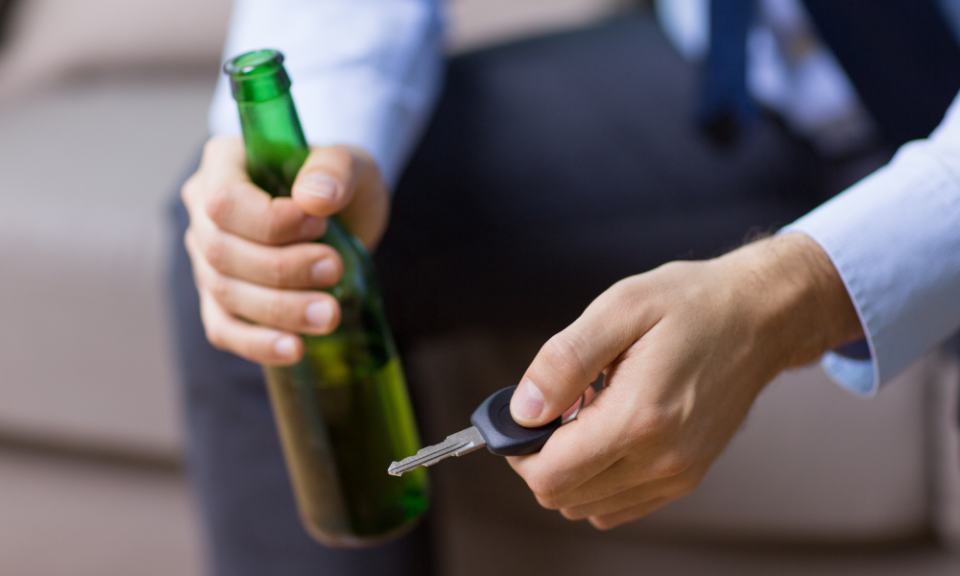
Drunk driving accidents can leave victims to deal with serious injuries, emotional trauma, and long-term financial hardship. When these cases are taken up in court, many will work to claim compensation for economic and non-economic damages. However, in some cases, the court’s discretion means that punitive damages can also be considered. What are punitive damages? When are they considered? These are some of the questions that the team at Alex Yadgarov & Associates hope to answer as your accident lawyer in New York. In this post, we will answer the aforementioned questions and also explain how an accident lawyer in NYC can help you obtain the compensation you deserve.
What are punitive damages in drunk driving cases?
In terms of drunk driving cases, punitive damages are the financial penalties awarded at the court’s discretion to victims. They are awarded by the court to specifically punish the sheer recklessness of the at-fault driver. It also serves as a deterrence, sending a strong message to all drivers. It shows the severity of the financial consequences a person can suffer if they choose to drink and drive.
However, keep in mind that punitive damages are not automatic and only awarded under exceptional circumstances. You or your attorney must specifically request the court to consider awarding punitive damages. As such, the burden of proof lies with the victim to provide “clear and convincing evidence” that the at-fault driver acted with gross negligence or willful misconduct.
How Are Punitive Damages Different From Compensatory Damages?
In an accident case, two types of damages are considered—compensatory and punitive. Compensatory damages are the damages that specifically reimburse the victim for the losses they suffered as a result of the accident. Compensatory damages can be further categorized as economic and non-economic damages.
Economic damages are the losses that have a set financial value. They include things like medical expenses, rehabilitation costs, lost income, and vehicle damage. Non-economic losses, which do not have a set financial value, are determined on a case-by-case basis. They cover losses such as pain and suffering, loss of consortium, and loss of enjoyment of life.
Punitive damages, also known as “exemplary damages,” are a bit different. Unlike compensatory damages, they do not compensate for a specific loss. Instead, they are awarded by a court or jury, in addition to compensatory damages. Punitive damages are rare, and when awarded, they are based on factors like the severity of the wrongdoing and the defendant’s wealth.
Why Is Drunk Driving Considered More Than Ordinary Negligence?
Legally, drunk driving goes beyond ordinary negligence. That is because drunk driving involves intentional risk-taking. Unlike in ordinary negligence, where an unintentional mistake or gap in concentration can cause the accident, getting behind the wheel while drunk means that a person who understands the dangers actively chooses to engage in the dangerous activity.
What Factors Can Influence a Punitive Damages Claim?
Since the court has the discretion to award punitive damages and specify the amount of damages, some of the factors they will consider include the following:
- Severity and nature of the misconduct—Under this category, the court will look to answer several questions, including whether the conduct was fraudulent or malicious or displayed. Was the defendant aware of the danger, and did they actively try to hide their wrongdoing?
- Defendant’s financial condition – Since the goal is to punish the at-fault party, their financial status will be considered. The goal is to set an amount that is harsh enough to force a change, but not so far as to leave them destitute.
- Proportionality (The “Ratio”) – According to the Supreme Court, there must be a reasonable relationship between the harm suffered by the plaintiff and the punitive award.
- Plaintiff’s own conduct (mitigating circumstances)—If the court finds that the plaintiff had a part to play in the accident and failed to mitigate the risk, the extent of the punitive damages may be reduced.
- Evidence standard—The court requires that the plaintiff present “clear and convincing evidence” of the defendant’s conduct to award punitive damages. This standard is higher than the “preponderance of evidence” standard in compensatory damages cases.
How Can an Accident Lawyer Help With Your Drunk Driving Case?
As the victim of a drunk driving accident, you have the right to claim fair and reasonable compensation for all the losses you’ve suffered. To claim compensation for these damages and take your case a step further and request punitive damages, you need to work with an accident lawyer in NYC. Your attorney can:
- Take a look at the facts and explain your legal options.
- Gather evidence to build a strong case
- Handle all the documentary and administrative requirements
- Handle negotiations with insurance companies
- Prepare you for trial and represent you as counsel
Conclusion
With drunk-driving accidents, the physical, emotional, and financial toll can be overwhelming. Sometimes, the court feels that the at-fault party needs to be punished and deterred from similar conduct in the future. However, punitive damages are seldom awarded, requiring the plaintiff to present strong evidence.
If you’ve been injured in a drunk driving accident, contact Alex Yadgarov & Associates today. Our team will review your case, explain your rights, and fight to get you the compensation you deserve. A drunk driving accident is not the end of the road, not when we can help.

