
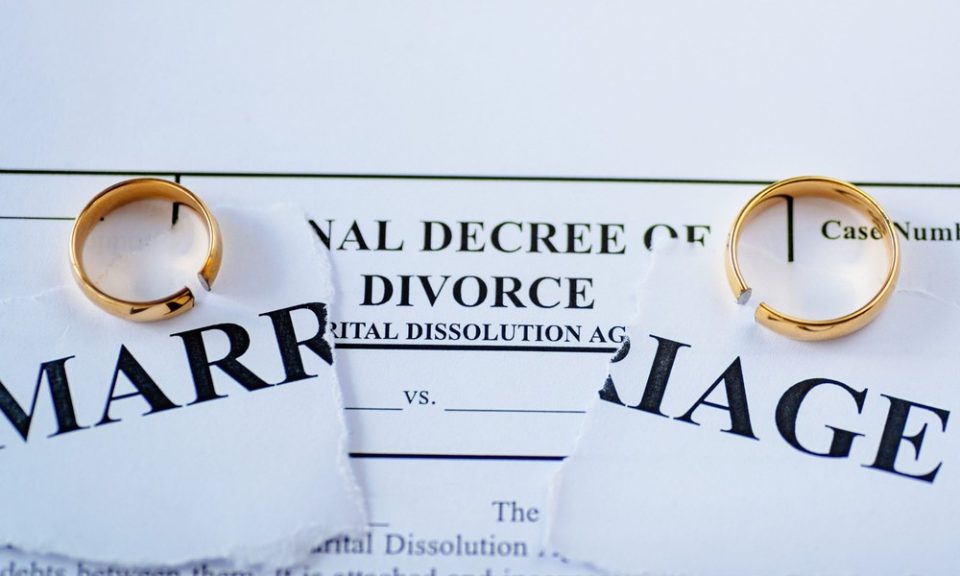
Divorce drains your energy. It shakes your sense of safety and control. You may feel angry, numb, or lost. In the middle of this stress, you face legal choices that shape your future. One of the first choices is between a contested and an uncontested divorce. That choice affects your time, your money, and your children. It also affects how much conflict you face and how long the pain lasts. A contested divorce involves disagreement over issues like property, support, or parenting. An uncontested divorce means both of you agree on every issue. Each path has risks and benefits. You do not need to become a legal expert. You do need clear facts, steady support, and the best divorce lawyer you can find. This guide explains what each type of divorce means, what to expect, and how to protect yourself.
What “contested” and “uncontested” really mean
You have a contested divorce when you and your spouse cannot agree on one or more issues. A judge must then decide. This can cover property, debts, parenting time, child support, or spousal support.
You have an uncontested divorce when you both agree on every issue in writing. A judge still reviews your agreement. The judge checks that it follows state law and protects any children.
Every state has its own rules. You can read basic terms on the U.S. Courts glossary. Family law terms in your state will follow the same idea. Agreement means less court. Disagreement means more court.
Key differences at a glance
|
Topic |
Contested divorce |
Uncontested divorce |
|---|---|---|
|
Control over outcome |
Judge decides one or more issues |
You and your spouse decide all issues |
|
Time to finish |
Often many months or longer |
Often closer to the minimum waiting period |
|
Cost |
Higher legal and court costs |
Lower legal and court costs |
|
Conflict level |
Higher conflict and strain |
Lower conflict if both act in good faith |
|
Privacy |
More hearings and more public records |
Fewer hearings and fewer public details |
|
Stress on children |
More risk of long fights and loyalty pulls |
More room for calm routines and clear plans |
When a contested divorce may be safer
Sometimes you cannot reach fair agreement. In those moments, a contested divorce can protect you.
Consider a contested case if any of these fit you.
- There is a history of control, fear, or harm.
- Your spouse hides money or lies about income.
- Your spouse pressures you to sign fast.
- You disagree about where the children live or how decisions get made.
- There are complex assets or big debts.
Courts focus on the best interests of the child. You can see how judges think about that concept in guidance from the Children’s Bureau at the U.S. Department of Health and Human Services. When safety or fairness is at risk, you may need a judge to set firm rules.
When an uncontested divorce may help you heal
An uncontested divorce can lower strain when both of you act with some respect.
It might fit if:
- You both accept that the marriage is over.
- You talk without threats or insults.
- You share basic goals for the children.
- You can share financial records with honesty.
- You feel able to say no and ask for changes.
Even in an uncontested case, you still protect yourself. You read every line. You ask questions. You check how the agreement will work in daily life. You treat the terms like a long contract that shapes money, parenting, and housing.
How each path affects your children
Children watch more than they listen. The way you and your spouse handle divorce teaches them how grownups manage pain.
In a contested divorce, children often see:
- Long court dates that pull you away.
- Sharp words about the other parent.
- Last minute changes to visits.
In an uncontested divorce, children often see:
- Clear schedules for time with each parent.
- Less arguing in front of them.
- More steady routines at home and school.
You cannot remove all hurt. You can reduce chaos. You do that by choosing the process that lowers conflict while still keeping you safe and stable.
Steps to protect yourself in any divorce
Every divorce, contested or not, needs three basic steps.
- Gather records. Bank statements, tax returns, pay stubs, mortgage papers, and retirement accounts. Put copies in a safe place.
- Know your rights. Read your state court website. Many have self help guides and forms.
- Reach out for support. Talk with a legal aid office, a trusted counselor, or a support group.
Preparation does not mean you expect a fight. It means you respect yourself enough to plan.
Choosing the right path for you
You do not need to win every point. You do need a life after divorce that feels stable. When you choose between contested and uncontested divorce, ask three questions.
- Can I speak openly without fear of harm.
- Will my spouse share money details with honesty.
- Can we both put the children’s needs above our anger.
If you answer yes to all three, an uncontested divorce may work. If you answer no to one or more, you may need a contested process or strong court orders.
The end of a marriage can feel like the ground is breaking. It is still possible to shape a steady path. You do that with clear facts, honest support, and careful choices about the type of divorce you pursue.

