
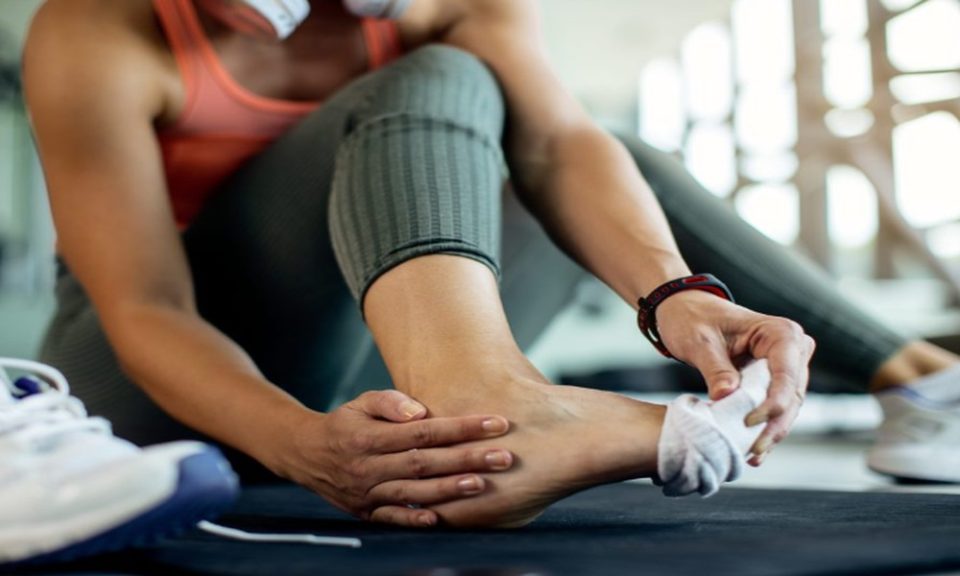
Injuries can be caused by accidents, sports, or even everyday activities. Some injuries are minor and heal quickly, while others can have long-lasting effects on one’s physical and emotional well-being. Knowing the most common injuries, their causes and ways to prevent them is essential.
This article examines the most common injuries, their causes, and treatment options. The article also discusses how to prevent injuries from occurring.
Most common types of injuries
Environment or activity can affect the type of injury. The most common types injuries are:
1. Sprains and Strains
- Sprains occur when ligaments are stretched or torn. Most commonly, wrists ankles and legs are affected.
- Strains are caused by muscles or tendons that have been overstretched. They are most commonly found in the lower spine and hamstrings.
Pain, swelling and reduced mobility are all symptoms.
2. Fractures
A fracture can be caused by the force applied to a broken limb. Fractures can range from a small hairline break to a full-blown fracture. Fractures are most common in the wrist, collarbone, and legs.
Intense pain, swelling and deformity are all symptoms.
3. Dislocations
A dislocation occurs when a bone is moved out of its normal position in a joint. The most common dislocations occur in the fingers.
The symptoms include severe pain and visible misalignment, as well as the inability of a joint to move.
4. Cuts and Lacerations
Skin can be damaged by sharp objects or impacts. Even though most cuts are superficial, deeper wounds may require medical attention.
The symptoms include pain, bleeding and infection.
5. Concussions
Concussions can be caused by a violent shake or blow to the head. This happens during sports, car accidents, and falls.
Headache, dizziness, and confusion are all symptoms.
6. Burns
Burns can be caused by heat, chemicals, or electrical contact. Burns are classified into three different categories based on their severity: first,second and third degree.
Symptoms can include: Bleeding, severe pain or numbness.
Common injuries and their causes
Injuries can happen in many different situations.
- Sports and physical activity: Overexertion, overrepetitive movements, and high impact sports can cause strains, sprains, fractures, and concussions.
- Accidents at work: Slips, falls, repetitive tasks and physical demands all cause workplace accidents.
- Car Accidents: Collisions can cause whiplash injuries, fractures, and brain trauma.
- Accidents at home: Tripping, falling and mishandling tools and appliances can lead to cuts, burns, and dislocations.
- Recreational Activities: Injuries can occur from environmental hazards or incorrect technique during activities like cycling, hiking or swimming.
Treatment options for common injuries
The severity and type injuries will determine the treatment.
1. First Aid for Minor Injuries
If you have minor burns, cuts or sprains:
- Apply a sterile bandage to the wound.
- Use RICE (Rest. Ice. Compression. Elevation.) method.
- Cool water or aloe vera can be used to treat minor burns.
2. Medical Intervention
You should seek medical attention immediately if you suffer from more serious injuries such as fractures, deep lacerations or dislocations.
- Seek immediate medical attention.
- A cast is often used to immobilize fractures.
- Dislocations are treated by resetting the joint and, if needed, using a brace or strap.
3.
Physical therapy is often required following injuries like sprains and fractures. It helps to restore strength, mobility, and functionality.
4. Medicines
To reduce swelling and pain, anti-inflammatory and pain relievers are often used. Antibiotics can be prescribed for deep cuts or wounds.
Preventing common injuries
Preventing injuries can be achieved by adopting preventive measures.
1. Practice Proper Technique
Correct technique reduces the strain on muscles and joints, whether it is in sports, exercise, or daily tasks.
2. Wear Protective Gear
Wearing protective equipment, such as helmets and kneepads, is essential for sports like skating, cycling, or construction.
3. Maintain Physical Fitness
Flexibility and strength are essential for supporting joints, reducing injury risk and protecting them. All three are beneficial: strength training, regular exercises and stretching.
4. Ensure a Safe Environment
- Use non-slip mats to keep your home safe. Also, make sure the walkways are free of any debris.
- Follow the safety protocol and use appropriate safety equipment.
5. Take breaks
Overuse injuries are caused by repeated motions or prolonged activity. Your muscles will recover if you take regular breaks.
6. Stay Hydrated and Healthy
Muscles can become weaker or more susceptible to injury due to dehydration and poor nutrition.
7. Regular health checks
Medical checks are important to identify any conditions that could increase your risk of injury.
Seeking professional help
Even though minor injuries can often be treated at home, certain situations require immediate medical attention.
- Pain that is persistent or severe
- The body part affected is unable to move or has visible deformities
- Excessive bleeding or deep wounds
- Head injuries that cause confusion or loss of consciousness
- Redness, swelling and fever are all signs of infection.
Injuries are a part of everyday life. Understanding the causes of injury and treatment options available will help you recover. By taking preventive steps and seeking medical attention when necessary, individuals can lead a healthy lifestyle. Knowing the most common injuries will help you to receive better care.
This article was written by Jeanette Secor PA Attorney at Law.
Jeanette Secor has been a leading lawyer in St. Petersburg for over 20 years. Jeanette Secor, a well-known lawyer, is one of the best in her field. Pinellas County Personal Injury Attorney . She has represented clients successfully in motorcycle and car accidents.

