
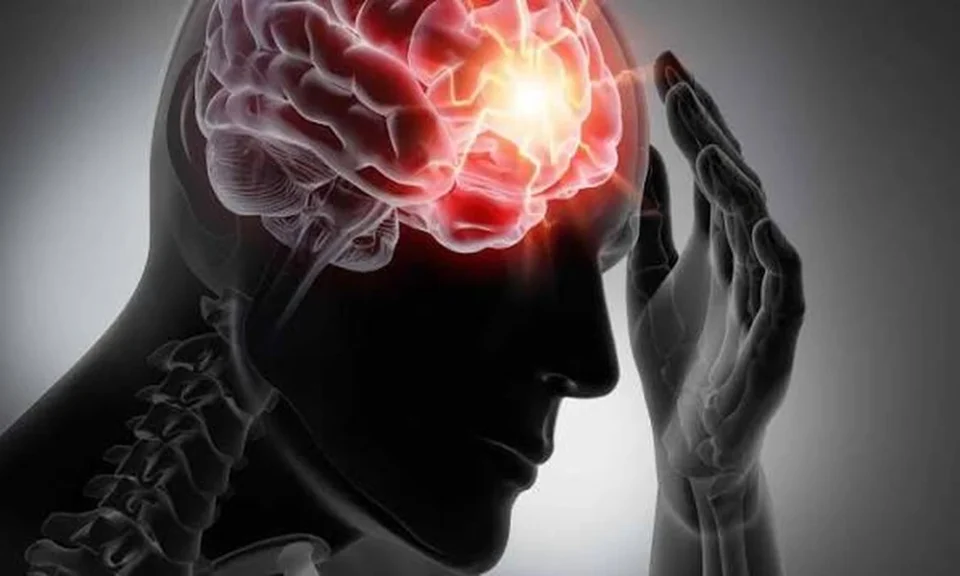
Target Focus: Traumatic Brain Injury Litigation, Concussion Claims & Maximizing Recovery
Traumatic brain injuries (TBIs) resulting from motor vehicle collisions, slip-and-fall incidents, or heavy industrial accidents present some of the most complex challenges in personal injury litigation. Unlike visible bone fractures, lacerations, or structural joint tears, mild-to-moderate TBIs and concussions are frequently invisible on standard hospital emergency room CT scans or conventional 1.5T MRIs.
Insurance adjusters routinely exploit these initial “normal” imaging results to deny, delay, or lowball legitimate brain injury claims. Understanding how modern trial attorneys establish objective medical proof of a “hidden” TBI is critical to protecting your long-term health and financial security.
Understanding the Reality of Concussion Symptoms
A concussion is a form of traumatic brain injury that disrupts normal neurological function. Even when initial emergency department visits indicate no immediate life-threatening skull fracture or brain bleed, victims often endure severe, long-lasting post-concussion syndrome:
- Cognitive & Executive Dysfunction: Brain fog, impaired processing speed, memory loss, and difficulty focusing or multitasking.
- Physical Deficits: Chronic post-traumatic headaches, light and noise sensitivity, dizziness, vertigo, and balance disorders.
- Emotional & Behavioral Shifts: Severe mood volatility, anxiety, depression, personality changes, and chronic insomnia.
Advanced Neuroimaging and Convergent Diagnostic Evidence
Overcoming aggressive defense tactics requires a comprehensive, multi-disciplinary diagnostic framework to prove microscopic white matter damage and diffuse axonal injury (DAI):
- Diffusion Tensor Imaging (DTI): Advanced 3-Tesla DTI MRI tracks water molecule movement along white matter pathways in the brain, creating visual, quantifiable maps of sheared or torn neural connections missed by standard scans.
- Neuropsychological Battery Testing: Comprehensive standardized testing conducted by board-certified neuropsychologists measures cognitive impairment against pre-injury baselines, documenting objective deficits in memory, attention, and executive processing.
- Vestibular & Balance Diagnostics: Specialized videonystagmography (VNG) and computerized dynamic posturography provide objective data showing inner ear and balance center dysfunction caused by head trauma.
By establishing convergent validity-where DTI findings, neuropsychological scores, and vestibular data all point to the same neural deficits-trial lawyers make it virtually impossible for insurance carriers to dismiss claims as subjective or pre-existing.
Maximizing Full Financial Compensation for TBI Victims
Because a brain injury alters every aspect of a victim’s daily life, personal relationships, and professional performance, legal recovery under California law must account for both immediate expenses and lifelong impacts:
- Past and Future Medical Care: Specialized neurological care, cognitive rehabilitation therapy, prescription medications, and long-term care plans.
- Lost Earning Capacity: Compensation for lost past wages, diminished future earning potential, and career disruption.
- Non-Economic Pain and Suffering: Substantial recovery for physical pain, loss of life enjoyment, emotional distress, and loss of independence.
Fight for the Full Recovery You Deserve
Securing fair compensation for an “invisible” brain injury requires experienced trial counsel who understand the underlying medicine, work with leading medical experts, and know how to defeat insurance company tactics.
If you or a loved one are struggling with persistent cognitive symptoms following a crash or severe collision, take action today to preserve your legal rights and secure the specialized care you need.
ContactLeeran S. Barzilai, A Professional Law Corporation today:
- Phone: (619) 436-7544
- Email: receptionist@lbatlaw.com
- Website: lbatlaw.com

